Learning to Skate: A Parent's Guide to Kids' Skating Lessons
When to start, what a learn-to-skate program covers, how to choose skates and a helmet, and how to keep a cold, wobbly first lesson fun.
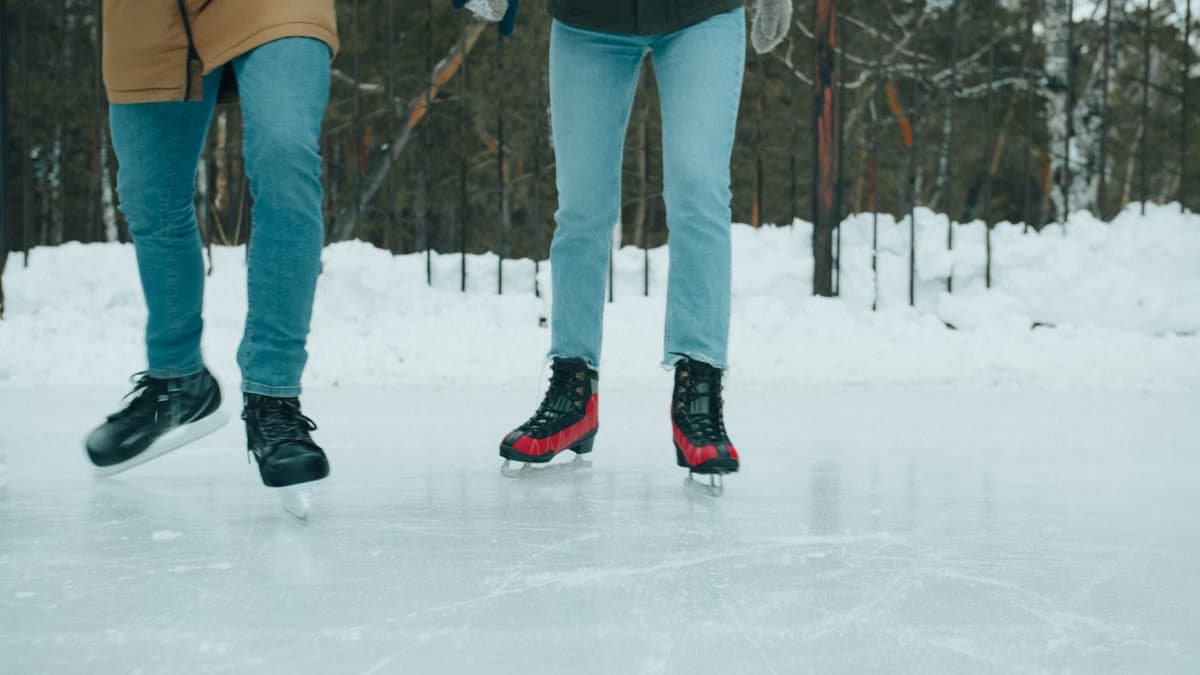
Skating is about as Canadian as it gets, and it is the base for hockey, ringette, figure skating and every frozen-pond afternoon to come. Here is how to get started without tears.
When to start
Most learn-to-skate programs take children from about age 3 or 4. Before that, short sessions on the ice with a parent are plenty. There is no rush — a confident 6-year-old beginner catches up quickly.
What lessons cover
Group programs are usually built in levels. The first ones are about falling safely and getting up, marching, gliding on two feet and stopping. Later levels add backward skating, crossovers and edges. Kids move up when they pass the skills, not by age.
Gear that matters
- Skates that fit. Snug, with the heel locked in and toes just touching the front. Do not buy a size up "to grow into" — it makes skating much harder.
- A certified helmet. Most programs require a CSA-approved hockey helmet; many also want a face cage for young beginners.
- Warm, flexible layers and thin mittens or gloves. Snowsuits are fine for the first lessons.
Used skates from a swap or a second-hand sports store are a smart buy for growing feet. Get them sharpened before the first lesson.
Making the first lessons go well
- Arrive early so lacing up is not a rush.
- Expect falls and say so. Practise getting up on the living-room carpet.
- Bring a warm drink and a snack for after.
Find skating lessons and other winter classes near you, and check the program registration page for seasonal sign-ups.