Kids' Art Classes: What Children Really Learn (Besides Glitter)
Art classes build more than pictures for the fridge: focus, fine motor skills, problem solving and confidence. What to expect at each age, and how to choose a class.
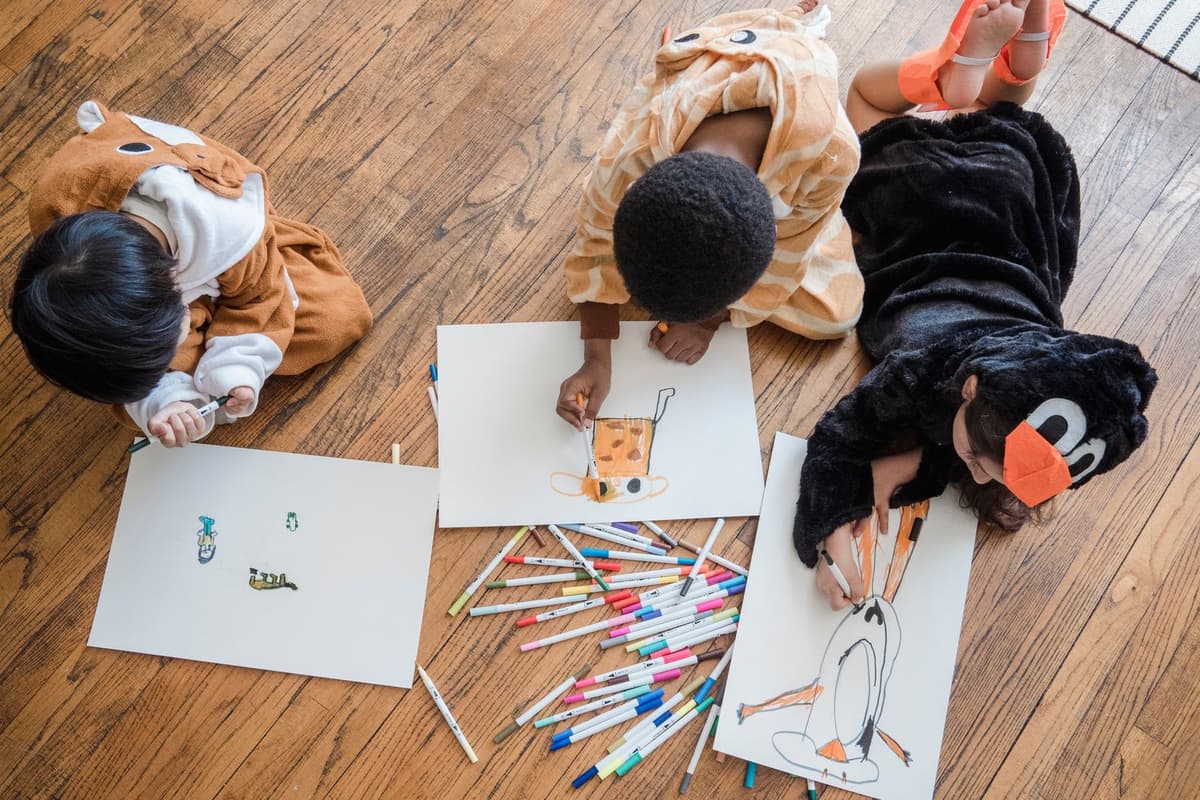
An hour of painting can look like pure fun, and it is. But a good art class is also teaching skills that show up everywhere else in a child's life.
What kids get out of it
- Fine motor control. Cutting, holding a brush, shaping clay — the same muscles they use for writing.
- Focus. Finishing a project teaches kids to stay with something for longer than a few minutes.
- Problem solving. The colour went muddy, the tower fell over: what now?
- Confidence. There is no single right answer, so every child can succeed.
What to expect by age
3–5: process over product. Lots of mess, sensory materials, short projects. A parent-and-child class is common.
6–9: real techniques start — mixing colours, drawing from observation, simple clay work — usually around a theme.
10 and up: longer projects, specific media like acrylics, comics, digital art or pottery on the wheel.
How to choose a class
- Ask what a typical session looks like and whether kids bring work home.
- Check the group size — eight to twelve is ideal for younger children.
- Find out if materials are included in the price.
- Look for a trial class or a one-off workshop before a full term.
Not sure your child will like it? Holiday craft events and art parties are an easy first taste. Browse art and craft classes and events near you.